Thomas Wilford. A remarkably courageous young teenager, who, at the age of 15 took part in some of the most ferocious hand to hand fighting imaginable in the Khyber Pass, and foothills of Afghanistan in 1841 and 1842 with the 41st (Welsh) Regiment of Foot. Despite the horrendous, hazardous and downright dangerous conditions he faced at such a young age, and the horrors that followed, he survived everything that was thrown at him to live out his life peacefully in the Carmarthenshire countryside. Thomas married a Carmarthen girl,- Margaret on his return from Afghanistan whilst stationed at Picton Barracks during the Rebecca Riots, and they had seven children. Sadly, the family headstone has not been located during the restoration process, but they will continue to be remembered. May they rest in peace.
His enlistment papers show he was 5ft 8 inches tall with brown hair and hazel eyes.The Muster Books housed in the National Archives in London for the 41st (Welsh ) Foot for 1841 show that Thomas Wilford enlisted in his home town of Great Glen in Leicester in April 1841 aged 15. His occupation was stated as a Weaver. Though he had to put down his age as 17 to be officially accepted into the army. Recruiting Sergeants at the time were very prone to falsifying the age of the recruits in order to gain the most numbers possible. He was in hospital from 2nd to the 3rd May 1841, and again from the 3rd to 24th June 1841. He was further admitted to hospital for 10 days between 17th to 27th July 1841 and finally embarked for service abroad – Afghanistan, on 29th September 1841.
Clearly, his health at the beginning of his army career was not the best for someone so young, having been admitted to hospital several times upon enlistment. At the time of publishing this article no further details are to hand from official sources about his service in Afghanistan but it is obvious that Thomas played a pivotal and vital role at a very young age in his army career, leaving the 41st Foot as a Sergeant after 16 years service aged 31 in 1857, having taken part in some of the most fierce and deadly hand to hand combat in some of the most inhospitable terrain in the world, only to rejoin the Royal Carmarthen Militia on the 16th September 1859 to serve for a further 26 years and one day, retiring on 18th August 1885 to 25 Mill Street Carmarthen, bringing his total military service to an unbelievable 42 years. It is quite remarkable and indeed unbelievable that on enlistment to the Royal Carmarthen Militia in 1859 his enlistment papers give no indication whatsoever of his previous 16 years military service in the 41st Foot. The only clue is that he joined as a SERGEANT which clearly would not have been possible without previous military experience. Once retired from the army, Thomas Wilford was not satisfied in putting his feet up but continued to work for another four years as a gardener in the employ of the Dinewfr Estate owned by the Earl of Cawdor travelling many miles daily on his horse and cart to and from Llandeilo. It is very possible that a photograph exists of him with the staff of the Cawdor Estate archives which are held in Carmarthen library and how wonderful it would be if one day that photograph could be found ! May Thomas and all his family who lie buried here, rest in peace. Thomas Wilford never spoke of his service in Afghanistan but from official sources of that campaign it was a very brutal and bloody affair, so no wonder then that his exploits and experiences were never spoken about. If it wasn’t for the South Wales Daily News obituary we would never have known his truly remarkable past.
Thomas Wilford died in Carmarthen on January 3rd 1891 aged 65 at 19 Quay Street – now demolished. The following is a notice that appeared in the South Wales Daily News on the 5th January 1891 on page 6.
DEATH OF SERGEANT WILFORD
Mr Thomas Wilford died from the inflammation of the lungs at his residence,19 Quay Street, on Saturday in his 65th year. Deceased enlisted in the 41st Regiment of Foot in 1841 and after 16 years service, transferred to the Carmarthen Royal Artillery Militia, latterly called the 3rd Brigade Welsh Division, Royal Artillery Militia, in connection with which, staff he showed a good record of 26 years service and recently retired on a pension. The internment will take place in St David’s burial ground on Wednesday afternoon. The funeral will be a public one. His mortal remains will be borne to their last resting place by a number of his old comrades in arms. The body was encased in a polished oak coffin bering the plate inscription
THOMAS WILFORD.DIED JANUARY 3RD 1891 AGED 65
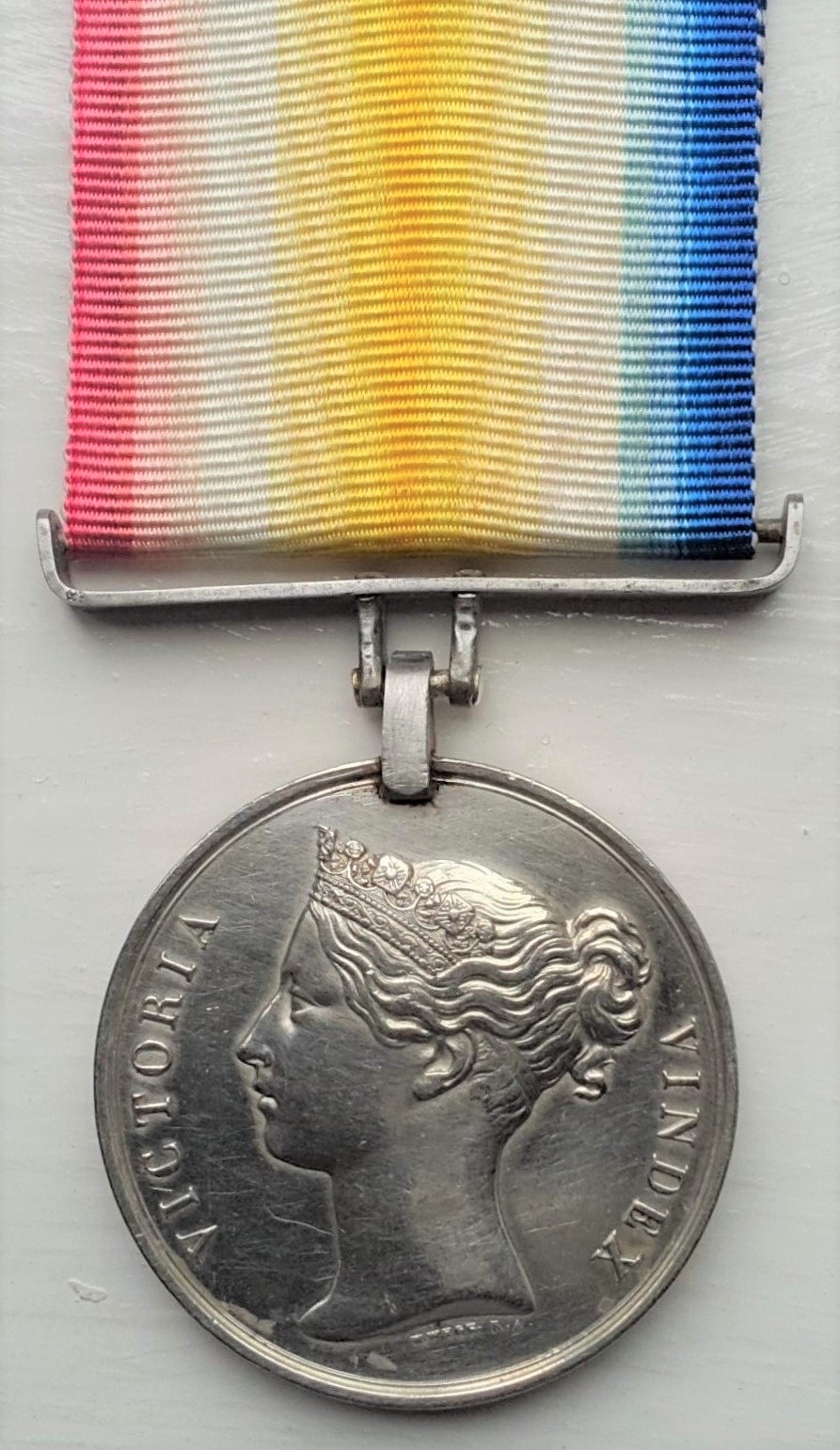
The medal roll for the 41st (Welsh) Regiment of Foot confirms that Private Thomas Wilford was officially awarded the Candahar, Ghuznee, Cabul 1842 Medal.
Service and Campaign Details.
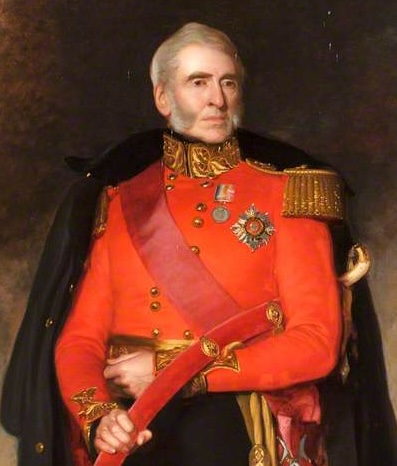
The 41st Foot played a critical role in the First Anglo Afghan War as part of Major General Sir William Nott’s “Force of Candahar.” (General Nott’s elder brother George is buried in St David’s Cemetery and his box tomb was completely restored – paid for by his direct descendant Sir John Nott KCB former Secretary of State for Defence )
The Medal Variant: Private Wilford’s listing under the triple inscription (Candahar, Ghuznee, Cabul) indicates he participated in the entire arduous return march from Southern Afghanistan to the capital, and back again through the treacherous Khyber Pass.
Key Engagements: Under Major General Nott’s command in 1842, the 41st Foot fought at the engagements of Goaine and the subsequent re conquest of Ghuznee in September, before linking up with General Pollock’s force at Cabul (Kabul) to secure the release of British hostages. Out of 16,000 British Troops and civilians less than 200 survived after traversing the Khyber pass.
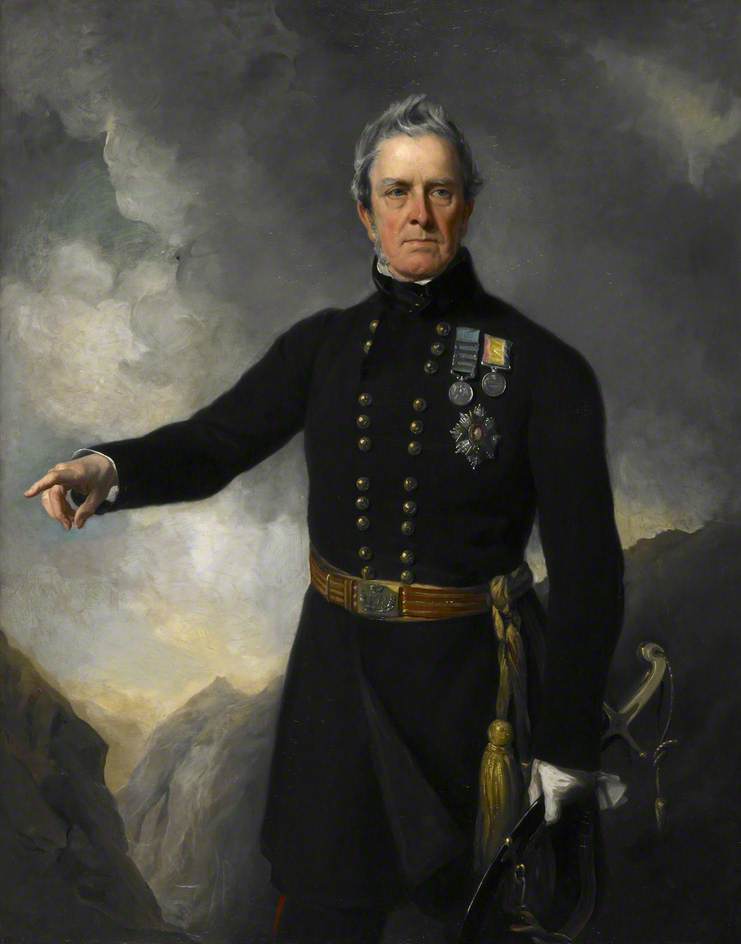
Major General Sir William Nott’s official portrait, painted by celebrated local artist Thomas Brigstocke shows him wearing the Candahar, Ghuznee and Cabul medal.
He is buried in St Peter’s cemetery Carmarthen just a short distance away from St David’s. The unique sword with solid gold scabbard that he can be seen holding was presented to him by Lord Ellenborough – Governor General of India. Its gold scabbard encrusted with the finest diamonds emeralds, rubies and sapphires made it unique. Upon the Generals death in Guildhall Square Carmarthen on the 1st January 1845 it disappeared and has never been found. His medals are however in the ownership of the Carmarthen Museum in Abergwili.